Let’s talk
Book a call with our team today!

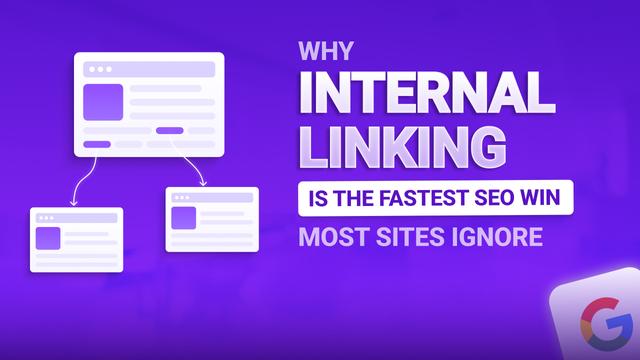
Why Internal Linking Is the Fastest SEO Win Most Sites Ignore
Internal linking isn’t exactly the most exciting job when it comes to your SEO. But it is one of the easiest wins, so many people are missing this trick.
Unlike backlinks, where you’ve got to pitch, ask, or bribe people for a link, internal links are 100% in your control. No outreach, no waiting around. Just slight adjustments that you can make right now to help search engines understand your site and push more traffic to the pages that matter.
Internal links do two big things:
- They help Google figure out how your site is structured. And,
- They help spread link equity to your key pages, which is basically telling Google which of your pages are important.
They also help your audience stick around longer and actually be able to find more of your useful content. It’s a win-win.
Building Logical Link Structures
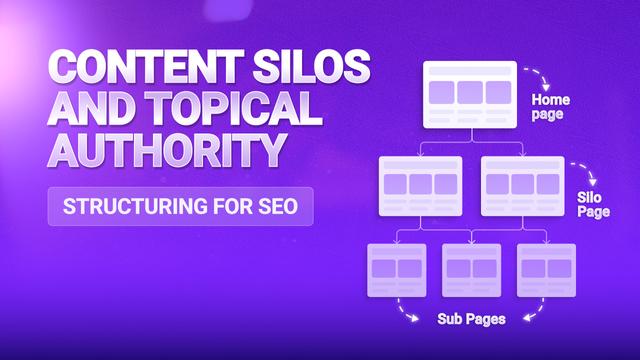
Say you’ve got five separate articles on email marketing. You should link them all back to a main “Ultimate Guide to Email Marketing” and link to each other where it makes sense. That creates a topic cluster through internal links… and Google loves that.
Also, don’t let high-authority pages do all the heavy lifting. Your homepage, popular blogs, and similar other pages should link out to your service pages, product pages, whatever’s most important.
And please, don’t leave “orphan pages” hanging. If you’ve got a page on your site with no internal links pointing to it, Google might not even know it exists. That’s traffic just sitting there doing nothing.
Strategic Anchor Text for Internal Links
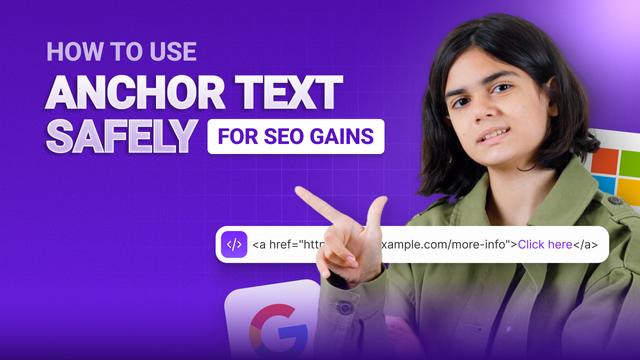
When you’re linking between pages, use descriptive anchor text. “Email marketing best practices” is way better than “click here.” It helps both people and Google know what to expect when they click.
Mix up your anchor text too. Don’t use the exact same phrase every time - that looks lazy and a bit spammy. Keep it natural, relevant to the topic, and helpful.
Prioritizing High-Value Pages
If you want to rank a service page higher, you need to give it more internal links. Say you’ve got a blog post that’s pulling in a high amount of traffic. You can take advantage of that by creating internal links to your key conversion pages. That way, you’re turning eyeballs into action.
Let’s talk
Book a call with our team today!