Let’s talk
Book a call with our team today!

How to Find Content Gaps (and What You're Missing)
Do you know how to create opportunities from content gaps? Before I get into the details, content gaps are the topics that your ideal audience is out there Googling, but you haven’t actually created content around that search yet.
And that’s a missed opportunity -every one of those unanswered questions is a chance to show up, be helpful, and steal some attention away from your competitors.
So how do you find these gaps? First, you’ve got to zoom out. Stop just looking at your own blogs and ask yourself: What are people searching for that I haven’t covered? And what are my competitors doing... that I could do better?
The best content gaps are the ones that tick all of these three boxes: People are actively searching for it, It lines up with what you sell or do, and it’s not already over-saturated
Competitor Analysis for Gap Discovery
Look at what your competitors are ranking for that you aren't. There’s plenty of tools available that allow you to see their top-performing content and flag topics that you haven't covered.
But don't just copy what they're doing. Look for topics they're covering poorly or superficially that you could do better.
Sometimes the biggest opportunities are topics that no one in your industry is covering well, even though people are clearly searching for the answers.
Using Your Own Site Data
You can run a quick check on your own site using this trick: Type into Google this site:yourdomain.com [topic] — and this will allow you to see if you’ve actually written anything on it.
And if there’s no results showing, you know that there’s a gap spotted.
Also, if your site has an internal search bar, dig into what people are typing into it. If they’re searching for something and finding nothing, that’s them serving you your next blog idea on a platter.
Same goes for support tickets, DMs, and email replies. If people keep asking the same question? That’s a sign that you need to put more of that content out there.
Keyword Tools for Gap Analysis
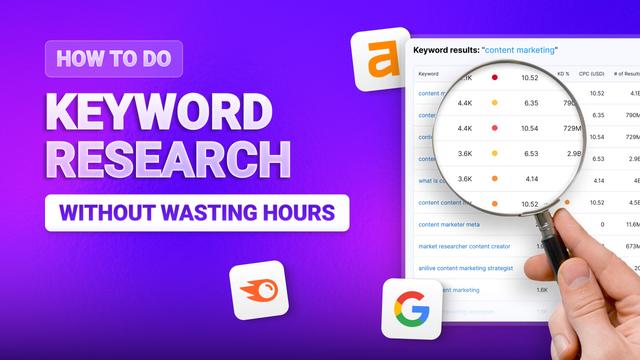
Use keyword research tools to find questions, comparisons, and related terms around your main topics. Look for “how to...”, “what is...”, “best [thing] for...”, “X vs Y”...
Let’s talk
Book a call with our team today!