Let’s talk
Book a call with our team today!

How Google Search Works (Crawling, Indexing, and Ranking)
You’ve finished your blog and hit publish - great! It’s all good from here. Or at least, so you think.
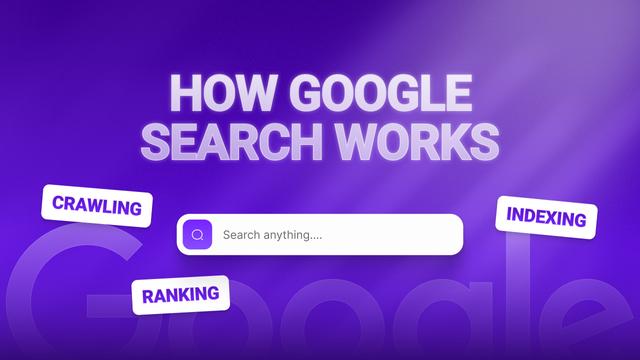
But, before anyone can find your content on Google, these three things need to happen on the back-end of Google. First, Google has to find your page, and the technical term for this is called crawling. Next, it decides whether your page is worth storing, and the technical term for this is indexing. And finally, it figures out where to show it in the search results, and the technical term for that is ranking.
Google is like a giant online library. And the best way I can explain this process is like this:
Crawling is the librarian going out and discovering new books. Indexing is choosing which ones to keep and catalogue. And ranking? That’s them deciding which books should go on the front shelf so that people see them first when they walk in.
It’s not an instant process. Sometimes it can take days, even weeks, for your new page to appear in search results, and even longer to actually rank well.
How Crawling Actually Works
Google uses automated programs - called crawlers or bots - to discover new pages. They work by entering a site, and then they jump from one link to another, following a trail across your website.
So, If you post a new page, but don’t link to it anywhere else on your site, those bots might never find it. Which is why internal links matter more than you think.
It doesn’t stop there - if your site is scattered, slow, or hard to navigate, Google’s bots can flag it as spam and skip it altogether. They’ve only got so much time to crawl, and so they prioritise pages that load fast and are easy to follow.
From Indexing to Ranking
Once Google finds your page, it makes a call on whether it’s worth keeping. Not everything gets indexed. If it’s a duplicate, super thin on content, or just just looks a bit low-effort aka AI generated, Google might reject it.
But if your page does make it into the index, the next step is ranking. And that’s where Google starts asking the big question - “How is this page helpful to someone searching this?”
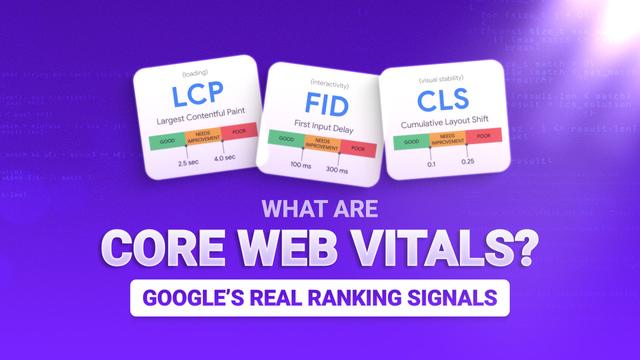
Google doesn’t use just one metric - it looks at a bunch of things. Stuff like how fast your page loads, if the content’s relevant, is it trustworthy - but at the end of the day, it all boils down to whether your content is genuinely useful.
Let’s talk
Book a call with our team today!