Let’s talk
Book a call with our team today!

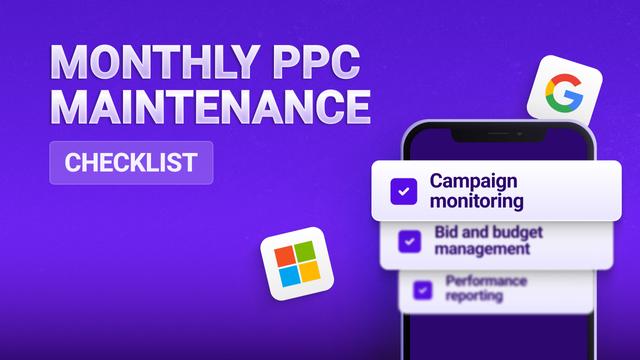
Monthly PPC Maintenance Checklist
Consistent, small improvements that compound over time – that’s the key to successful PPC management. Big sweeping changes can often do more harm than good, but a systematic maintenance routine? That works wonders. Prevent problems before they tank performance and keep your campaigns smooth – and here’s how you can do it.
Weekly Maintenance Tasks
Check overall spend pacing. You don’t want to burn through monthly budgets too quickly – or leave money on the table. When you spend 40% of the budget in the first week, something’s gone wrong. Adjust your daily budgets or pause underperforming campaigns… or face a massive overspend by week four.
Watch your top-performing ads for any changes in CTR or conversion rates like a hawk – sometimes winning ads start declining due to ad fatigue or competitive changes. Identify these early so you can refresh creative or adjust targeting before performance drops significantly.
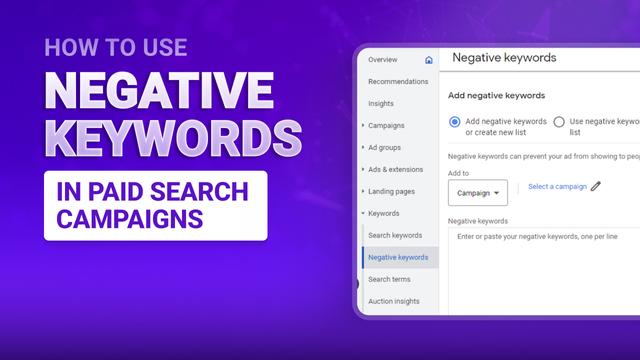
Review search terms reports to find new negative keywords and expansion opportunities. Add irrelevant search terms as negatives immediately to prevent wasted spend – and when you find high-performing keywords you don’t already cover, add them to campaigns.
Disapproved ads or policy violations are a nightmare – check they aren’t limiting your reach. Google's policies change frequently, and previously approved ads can suddenly get flagged. Fix these issues quickly to maintain full campaign coverage.
Monthly Deep Maintenance
Pause consistently underperforming keywords, ads, or campaigns that haven't improved despite optimization efforts. Don't keep spending money on elements that consistently deliver poor results. Redirect that budget to better-performing areas of your account.
Don’t rest on your laurels – launch new ad variations to test against current winners. Even your best-performing ads can be improved! Fresh headlines, different value propositions, or updated offers. Keep testing – try 2-3 new ad variations a month.
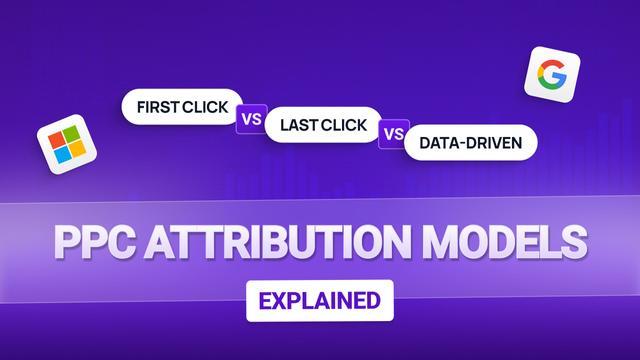
Review conversion data and attribution. You want to be measuring the right actions and giving credit appropriately. Check if your conversion tracking is still firing correctly – and if your attribution model matches your business reality.
Let’s talk
Book a call with our team today!