Let’s talk
Book a call with our team today!

Content Silos and Topical Authority: Structuring for SEO
I’m going to be real - if your website’s just a big mess of random blog posts with no clear structure, it’s going to be tough for Google -or your readers - to figure out what the hell you’re actually about.
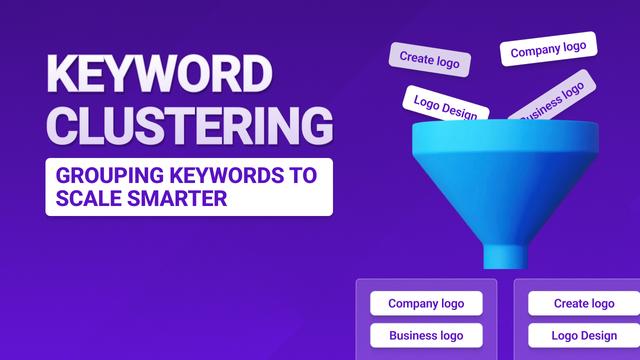
That’s where content silos come in. This is all about grouping your content into logical topic clusters, little mini-libraries that tell search engines, “Hey, we really know our stuff when it comes to this topic.”
So instead of writing one vague page about “weight loss” and hoping for the best, you’d go deep. One main “weight loss” page, then supporting pages about meal plans, beginner workouts, calorie tracking, success stories… all connected together. That’s what builds topical authority - and that’s what Google likes.
How Content Silos Work
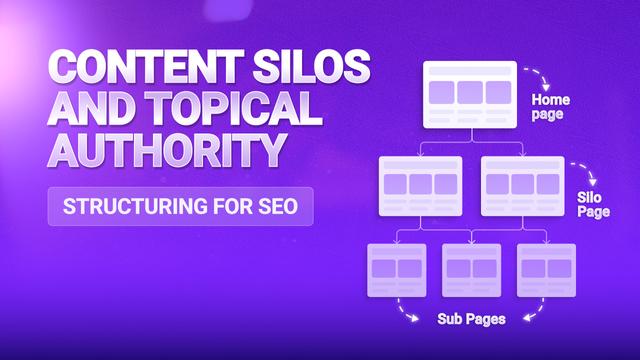
You start with a pillar page. Think of it like your main hub for a topic, your big “ultimate guide” to something. It targets the main keyword, gives an overview, and links out to all the more specific stuff.
Then you build out supporting pages: articles, tutorials, product comparisons, and whatever else — each covering a subtopic in detail. And the SEO hack is that they all link back to that main hub, and to each other if it makes sense.
This creates a little content ecosystem that screams to Google you know what you’re talking about.
Practical Implementation
Don’t just write based on random keywords you found in a tool. Think in themes. If you’re running an online shop, structure it like this:
- /shoes/running
- /shoes/trail
- /shoes/casual
Each one should have proper product listings, buying guides, FAQs - the full works. Not just a lonely category page with five shoes and no info.
Keep your URLs tidy and consistent, and avoid dumping everything into one big unstructured “/blog/” folder where posts go to die.
Internal Linking Strategy
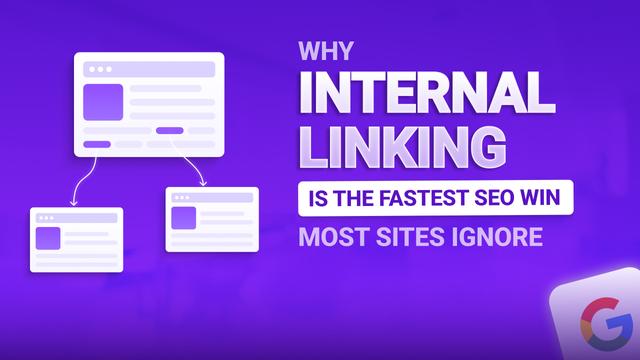
Link pages within the same silo. Your “running shoe buying guide” should link to your “how to choose trail shoes” page, and not suddenly over to an article about sunglasses.
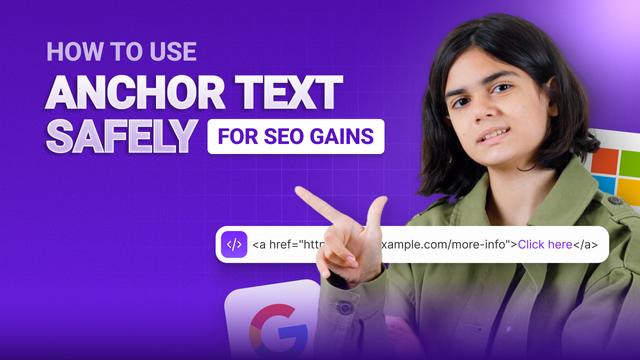
Use proper anchor text too. None of that “click here” rubbish. Tell people - and Google - exactly what the link is about.
Let’s talk
Book a call with our team today!