Let’s talk
Book a call with our team today!

How to Run a Google Ads Audit (Step-by-Step)
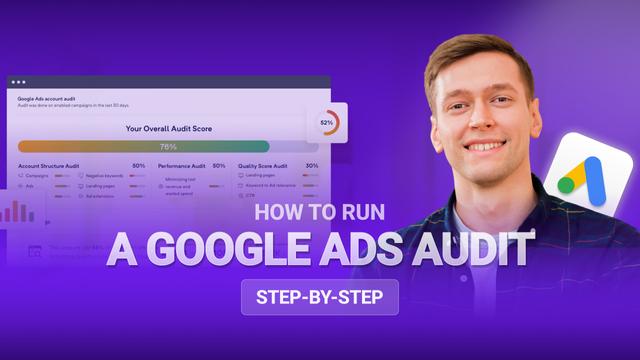
How do you figure out which opportunities you’re missing? You don’t – unless you do a proper PPC audit. And that needs a systematic approach. When you’re looking for actionable results you need to do a full Google Ads audit – so here’s how.
Audit Core Performance Areas
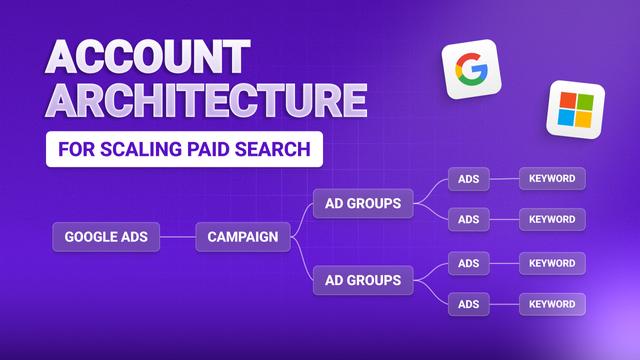
Start with account structure by reviewing campaign naming conventions, segmentation logic, and funnel alignment. Look for campaigns with overlapping keywords, unclear naming that makes reporting difficult, or poor organization that prevents effective budget allocation. Optimization is easier - and data interpretation is clearer -- when you have logical, well-structured accounts.
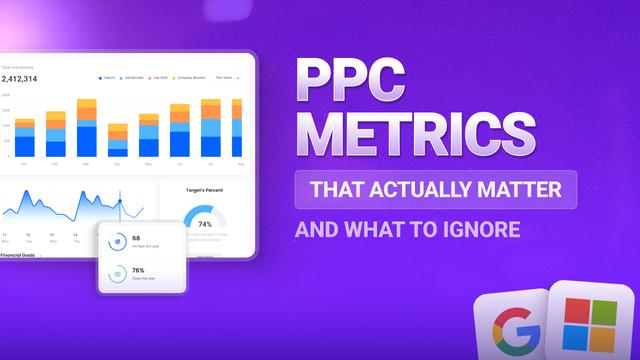
Analyze campaign performance metrics – CPC, CPA, conversion rate, and ROAS – across different time periods. Find your top and bottom performers, tease out your seasonal patterns – and definitely figure out which campaigns spend money without delivering results. Compare performance against industry benchmarks to understand if problems are account-specific or market-wide.
Take a critical look at your ad copy and creative performance – look at CTR, ad relevance scores, and testing frequency. Do you have ad groups with only one variation? Is there any outdated messaging? What about ads that haven't been refreshed in months? Check if ad copy matches landing page content and search intent.
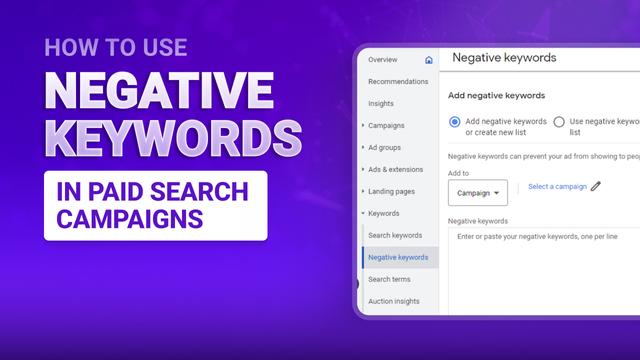
Examine keyword strategy including match types, negative keyword coverage, and search terms reports. Identify broad match keywords generating irrelevant traffic, missing negative keywords causing waste, or exact match keywords with insufficient volume. Review search terms to find new keyword opportunities and negative keyword needs.
Technical Setup and Settings Review
Check your conversion actions and verify your tracking setup. Review your Google Analytics integration and make sure your offline conversion imports work. Be unrelenting – ensure conversion tracking is firing correctly, attribution models are appropriate for the business, and all valuable actions are being measured. Poor tracking leads to poor optimization decisions.
Audit campaign settings – and be ruthless. Is your location targeting right? Is device performance good enough? Review your budget pacing and scrutinize bidding strategies – and flag anything that doesn’t look right. If you’re doing geographic targeting, check it’s tight enough. Find device bid adjustments that don't match performance… sniff out bidding strategies that don't align with campaign goals. And budgets? Check they’re pacing properly throughout the month.
Let’s talk
Book a call with our team today!