Let’s talk
Book a call with our team today!

Budgeting for Outdoor Ads (With Real Ranges)
Outdoor advertising costs are highly variable — location, format, timing all matter. When you put together realistic budget ranges you can plan campaigns that actually work instead of wasting money on placements that just don’t deliver. Let me show you exactly what different budgets can buy you so you can allocate your spending for maximum impact.
To make smart choices you’ve got to know what you can get for your budget — that’s how you choose format, duration, and reach to get the best results.
Budget Tiers: What $5K, $20K, and $100K Actually Buy
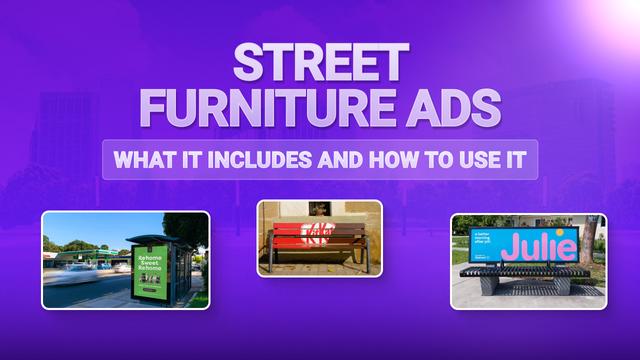
With a $5,000 budget, you're looking at local campaigns with shorter durations or smaller formats. This gets you 2 to 4 weeks of bus advertising in mid-sized markets, street furniture campaigns in suburban areas, or digital billboard rotations in secondary markets. You might afford 10 to 15 bus stop ads for a month or a single premium billboard for 2 weeks in a smaller city.
A $20,000 budget opens up regional opportunities and longer campaigns. You can run transit advertising across multiple routes for 6 to 8 weeks, secure billboard campaigns in major suburban markets for a full month, or launch mall advertising campaigns in 3 to 5 shopping centers simultaneously. This budget also allows for basic digital billboard campaigns in major markets with 4 to 6 week durations.
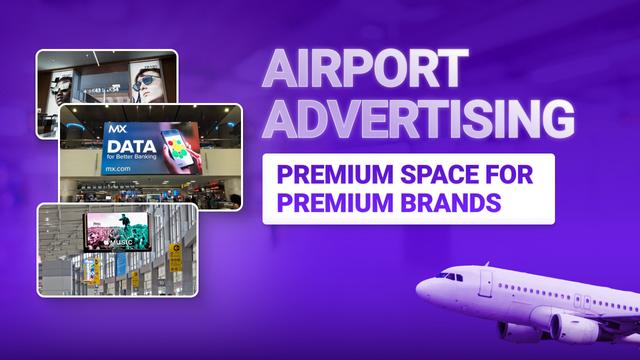
At $100,000, you're entering national campaign territory. It can get you airport ads in major hubs for 4 to 8 weeks… a comprehensive transit campaign across an entire metropolitan area… or a premium billboard campaign in multiple cities. If you want, you could run simultaneous campaigns across 15 to 25 different markets! You can even grab a high impact placement in Times Square or other major locations for shorter durations.
Understanding Different Pricing Models
National pricing operates on premium rates because you're buying scale and prestige. Expect to pay 40 to 60 percent more for national campaigns, but you get standardized quality, simplified booking, and coordinated timing across markets.
Regional pricing offers the sweet spot for many campaigns. You get better rates than national buys while still achieving meaningful scale. Regional campaigns typically cost 20 to 30 percent less than national equivalents while covering 3 to 8 connected markets.
Local pricing provides the best value for geographically focused campaigns. Small market billboards can cost 70 percent less than major city equivalents, and local transit advertising often runs at half the price of metropolitan systems.
Let’s talk
Book a call with our team today!