Let’s talk
Book a call with our team today!

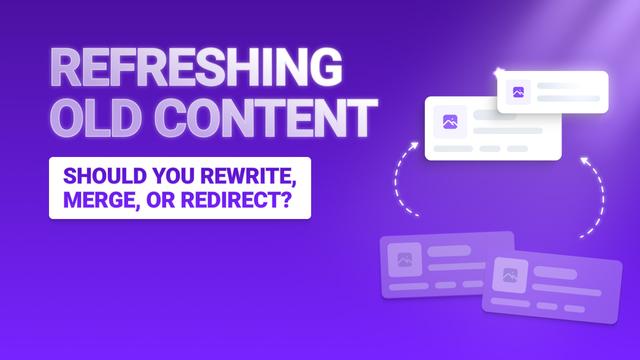
How to Refresh Old Content Without Breaking It
Before you change anything on your website, are you aware of the impact it can have on your well-ranked pages?
Updating your outdated content incorrectly can tank your best performing content overnight.
What you need to do is avoid tampering with any of the core elements that made it successful in the first place - and only make minimal updates… and even then, only where absolutely necessary.
If the URL is clean and getting traffic, leave it alone. Changing it means dealing with redirects, and even when you do that right, it can still cause a dip in rankings. Not worth the risk unless it’s absolutely necessary.
Same goes for your internal links and structure. If Google’s already figured out what the page is about and how it fits into your site, don’t make it start from scratch.
Strategic Update Approaches
You don’t need to rewrite the whole thing - just focus on what actually needs updating. Swap out the statistics. Replace outdated examples. Refresh any references that feel a bit dusty. Basically, keep the structure and just refurb what’s around it.
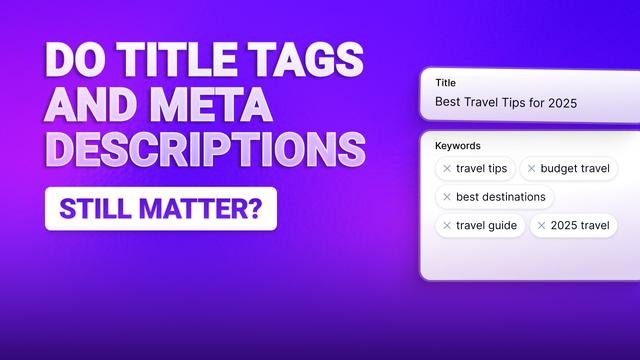
If you want to improve click-through rates, then tweak your title and meta description to better match current search intent - but don’t lose the plot. It’s always got to relate to what the page is actually about.
And if there are new questions your audience is asking or fresh angles you didn’t cover before, add a few new sections to flesh things out. That’ll make the page more useful without turning it into something totally different.
Technical Considerations
Stick with the same heading structure and layout where possible, especially if that’s part of what’s helping your content rank. You can update images or media, just try not to overhaul the user experience completely.
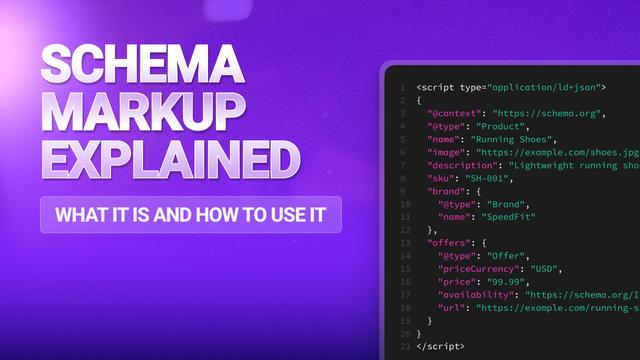
And if you’ve added schema markup or any technical SEO extras, make sure they still work after your changes. Don’t accidentally wipe out stuff that was helping you.
Testing and Monitoring
Once you’ve made updates, don’t just hit publish and move on. Watch how it performs - keep an eye on rankings, traffic, and engagement to see if things improve… or not.
Ideally, don’t change everything at once - that way, if something tanks, you know what caused it and can roll it back without too much drama.
Let’s talk
Book a call with our team today!