Let’s talk
Book a call with our team today!

When to Rebuild a PPC Account From Scratch
Sometimes endless tweaking and optimization can't fix fundamental account problems. When structure, tracking, or legacy settings are too broken to repair, what do you do? You start over. Here's when to consider a complete rebuild – and how to execute it without losing valuable data or performance.
Recognize When Rebuilding Makes Sense
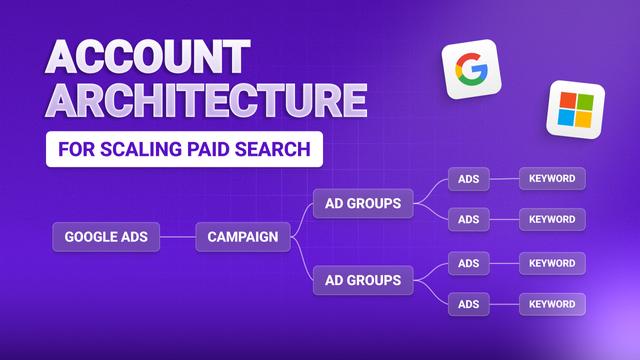
Account structure that's too fragmented or inconsistent creates ongoing optimization problems. When you have too many difficult problems to solve – dozens of single-keyword ad groups, campaigns with unclear names, overlapping targeting – sometimes it’s more efficient to start over.
Tracking problems that have persisted for months make historical data unreliable. If your conversion tracking has been firing incorrectly, attributing conversions to the wrong campaigns, or missing significant portions of your actual results, the data pollution affects smart bidding and optimization decisions.
Legacy settings and outdated bid strategies can hold back performance. Accounts built years ago might still use manual bidding, old match type behaviors, or campaign types that Google no longer recommends. If your account structure prevents you from using modern features effectively, rebuilding gives you a fresh foundation.
No naming conventions create messy, unusable data. If your campaigns are named "Campaign 1," "Test," or random product names without consistent logic, reporting becomes impossible and optimization decisions suffer.
Historical data that misleads smart bidding algorithms can hurt performance. If your account has months of poor-quality data from tracking issues, irrelevant traffic, or different business models, that history can prevent algorithms from learning effectively.
Plan Your Rebuild Strategy
Build a transition plan using the clone-test-replace method. Create new campaigns alongside existing ones, test performance with a portion of your budget, then gradually shift spend to the new structure. This approach minimizes risk and allows you to compare performance directly.
Let’s talk
Book a call with our team today!