Featured in






Our computer vision development services
AI CONSULTING
Get expert advice on AI strategy, roadmaps, and implementation plans.
DATA SCIENCE
Extract actionable insights from your data to drive smarter decisions.
AI engineers
Tap into expert guidance to solve technical challenges alongside your in-house team.
GENERATIVE AI DEVELOPMENT
Build AI apps that create text, images, video, and more.
AI AUTOMATION
Automate repetitive tasks using intelligent, self-improving AI workflows.
NATURAL LANGUAGE PROCESSING
Understand, interpret, and generate human language at scale.
CUSTOM AI DEVELOPMENT
Design and deploy AI systems tailored to your business needs.
MACHINE LEARNING DEVELOPMENT
Train predictive models that learn and improve from your data.
Why you need computer vision development services
Faster time to value
Fewer false starts
Production-ready from day one
No need for a full-house team
Are you missing opportunities to automate with vision AI?
Is outdated software holding you back?
We’ve worked with manufacturers missing defects, insurers ignoring photo data, and logistics teams relying on manual checks. Every time, computer vision unlocked savings, speed, and scale they didn’t know they were leaving behind.

Let’s talk
Book a call with our team today!
How computer vision services can
address your business objectives
Drive innovation with computer vision software development
Computer vision, on a macro level, is about transforming how your business operates across industries.
In manufacturing, it reduces machine downtime by spotting defects before they cause failure. In logistics, it tracks inventory and verifies shipments. In insurance, it processes claims faster by analyzing photo evidence. In healthcare, it supports faster diagnosis by analyzing scans. And in retail, it powers smart checkout, planogram compliance, and shopper behavior tracking.
You also boost labor productivity by removing repetitive visual tasks. And with the right consulting and/or development partner, it becomes a scalable engine for efficiency, intelligence, and innovation built directly into your core workflows.
Build the next generation of vision AI into your business
Let’s talk
Book a call with our team today!
Our computer vision development expertise
Let’s talk
Book a call with our team today!
Our computer vision development process
Why choose Influize?
Meet our team of computer vision developers
Our computer vision development stack
Image & Video Data Sources



Image Annotation & Labeling


Image Preprocessing & Augmentation


Object Detection & Image Classification


Image Segmentation & Pose Estimation


Model Evaluation & Explainability




Model Deployment & Inference Serving


Monitoring & Feedback Loop


Version Control & Team Collaboration


Diversified expertise across the AI models you use daily





Related content
Our software turns images and video into insights
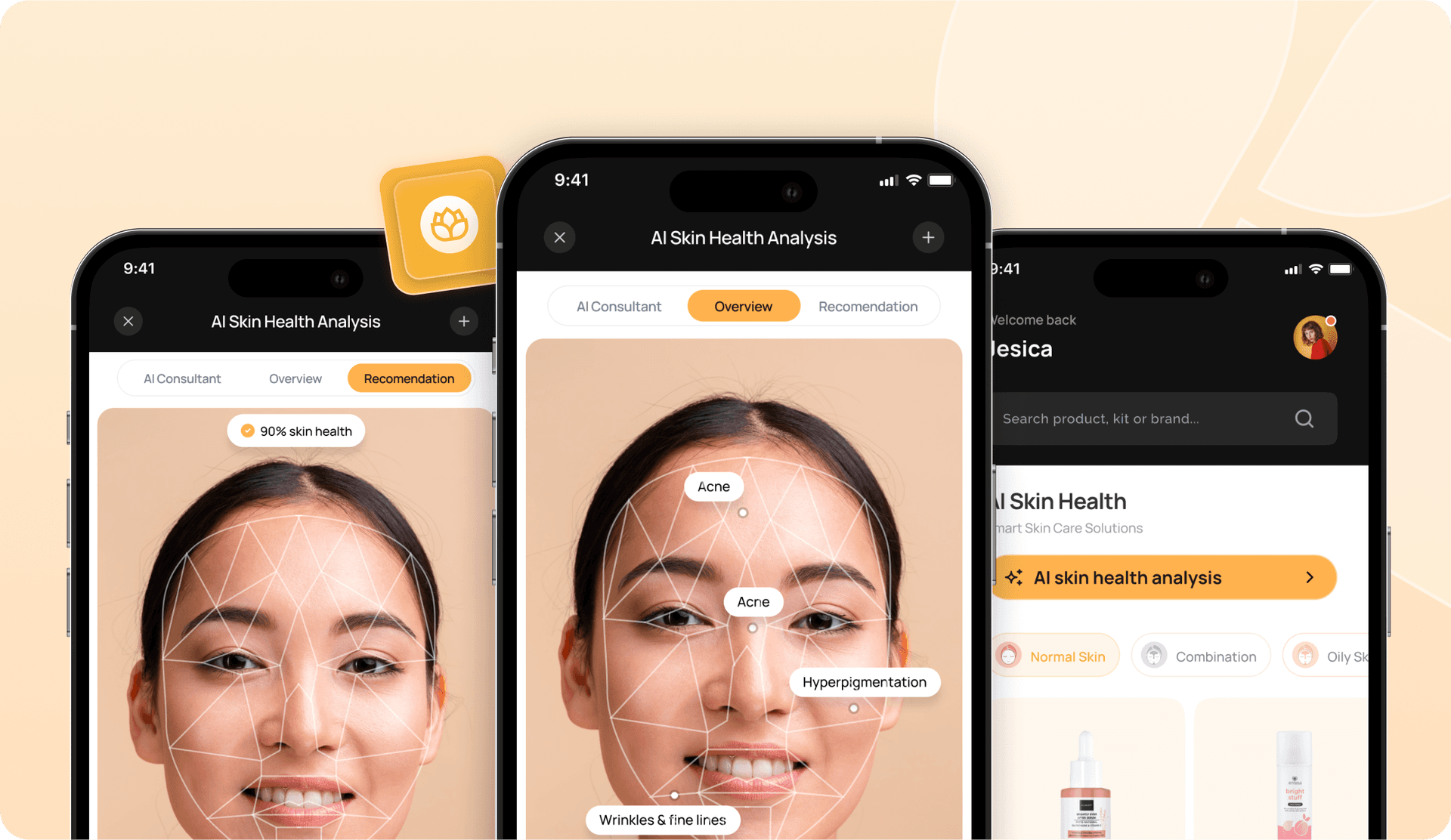
AI Skincare Cosmetologist Mobile App
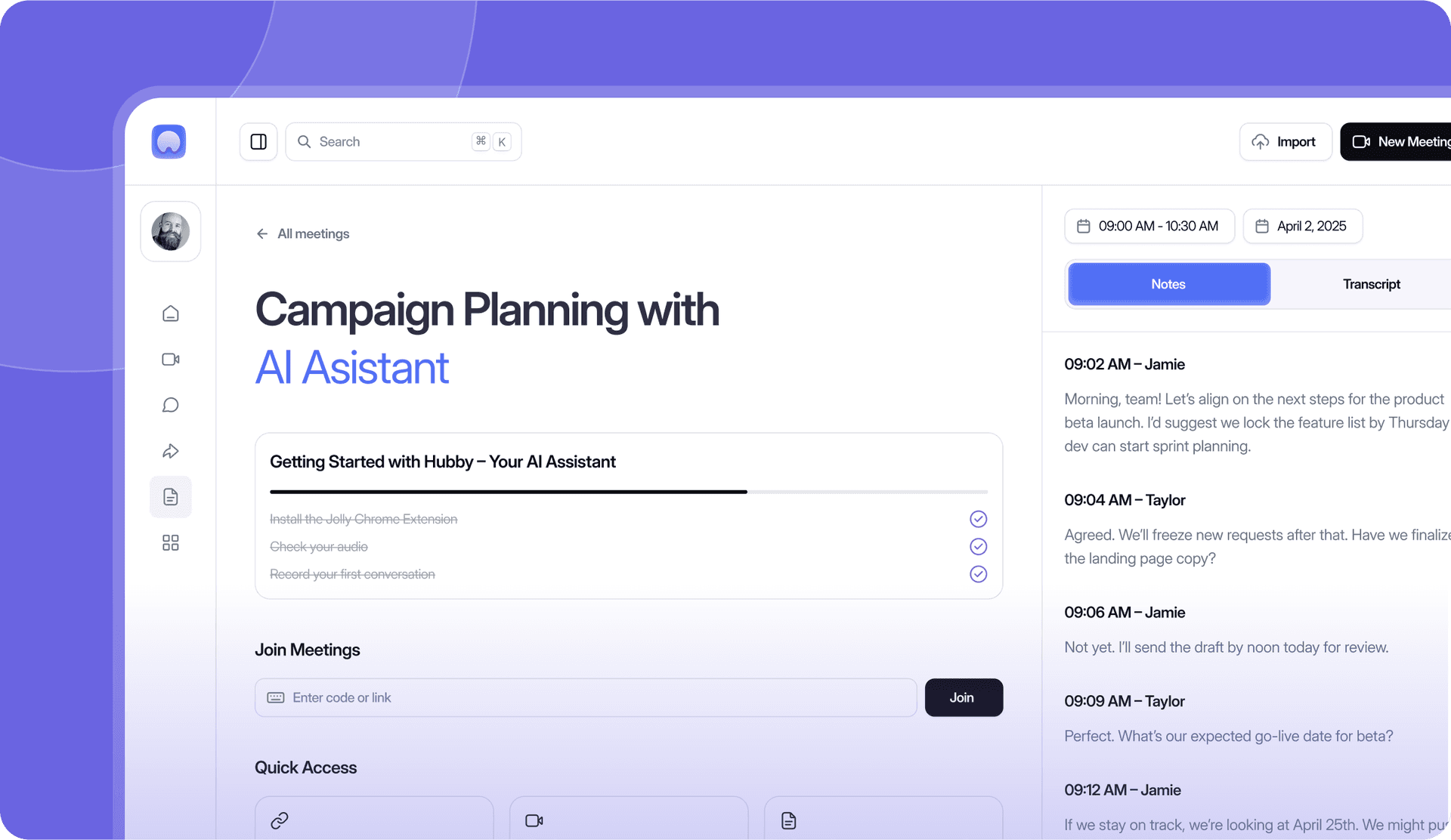
AI-Powered Notetaker - Record. Transcribe. Execute.
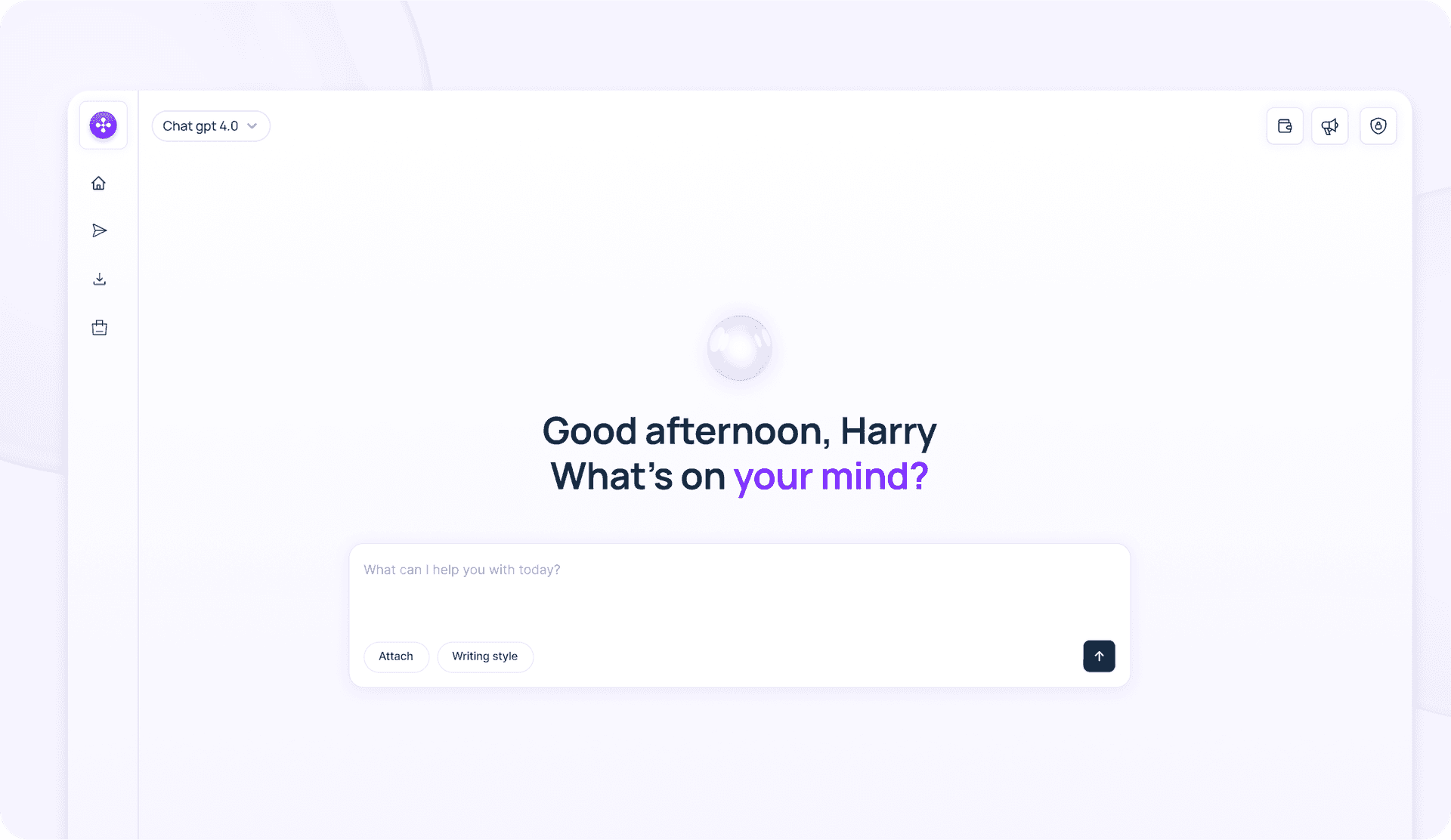
AI assistant for tasks, emails, and schedules
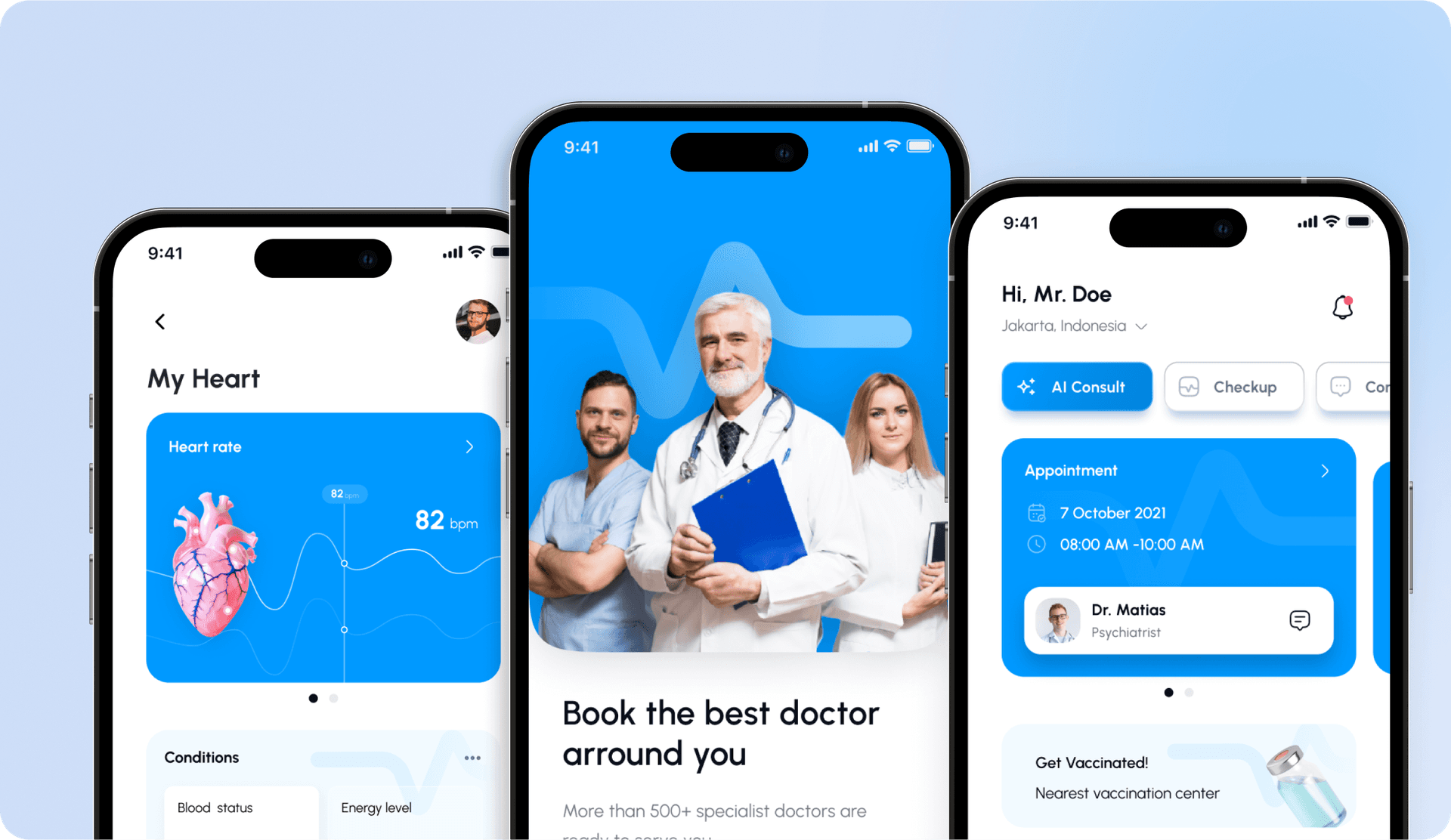
AI doctor consultation app
Computer vision development pricing models
Precision, accuracy, and tools to future-proof your business
Why choose us

Digital Director - NatruSmile
CEO - Car.co.uk
Computer vision development case studies
Meet with our vision AI experts today
No two vision AI projects are the same. That’s why we start with a short strategy call to understand your goals, challenges, and data, and map out a tailored approach that actually works for your business.
Clarity on the smartest path forward — technical, strategic, and operational.
Our team will assess where you are, what’s possible with your data, and what resources you actually need. You’ll walk away with clear next steps, no generic advice, and zero pressure to commit unless it makes sense.
To get started, fill in the form with a quick overview of your use case, the amount and types of data you’re working with, and your overarching goals. One of our senior vision engineers will reach out within 2 business days.
Our campaigns featured in the press
FREQUENTLY ASKED QUESTIONS
What is computer vision development?
Computer vision development is the process of building software that can see, analyze, and make decisions based on visual data, like images, videos, or camera feeds.
It involves designing the right model architecture, gathering and labeling high-quality data, training and validating the model, deploying it into real-world systems, and maintaining its performance over time.
Unlike simple image recognition tools, production-grade computer vision development requires deep technical strategy and robust infrastructure. It’s used in everything from quality inspection and facial recognition to inventory tracking and medical image analysis.
Which is better, NLP or computer vision?
If your core data is visual (photos, video, live feeds, scanned documents) then computer vision is where you'll get the most value. Think manufacturing lines, security footage, claims photos, X-rays, even warehouse inventory tracking. That’s vision territory.
If, instead, you're working with text-heavy problems like document understanding, chatbots, email classification, or search, then NLP (natural language processing) is the better fit.
But here’s where it gets interesting: they’re not mutually exclusive. In fact, some of the most powerful AI systems we build combine both. For instance, a system that reads a scanned form (vision) and then extracts and interprets the text (NLP). On a call, we’d walk through your workflows and figure out which modality (or combination) will give you the best ROI.
Do you build custom image recognition models?
If you’ve got a specific use case that off-the-shelf models can’t handle or you need higher accuracy, faster inference, or better integration, we build it from the ground up (or fine-tune an existing model if that’s smarter).
On a call, I’d ask you: What exactly do you want the model to recognize? What kind of images are we talking about? Product photos, satellite images, medical scans, something else? And do you already have labeled data, or do we need to help with that too?
From there, we’d scope the architecture, decide on training strategy, and walk through deployment options. Everything is tailored to your environment and your outcomes.
Can you integrate computer vision into mobile apps?
Yes, and we’ve done it many times, particularly for clients who need real-time results right on the device. Whether it’s scanning documents, recognizing faces, tracking movement, or detecting products through a phone camera, we can deploy lightweight, optimized models directly into iOS or Android apps.
What industries benefit most from computer vision?
The real winners are industries with a lot of visual input and repetitive decisions. And that isn’t only high-tech companies and big manufacturers.
That said, manufacturing is a big one. Defect detection, assembly line monitoring, and predictive maintenance are tremendously improved with computer vision.
Logistics and warehousing? Huge potential. You can track inventory movement, verify packages, and even monitor safety compliance.
Healthcare uses vision for diagnostic imaging in MRIs, X-rays, lab analysis. Insurance companies use it to auto-assess damage from photos. Agriculture benefits from crop monitoring and disease detection. Even retail and ecommerce use it for things like shelf analysis, product tagging, and visual search.
Do you offer real-time video analytics services?
If you’re working with live camera feeds for security, traffic, manufacturing lines, or retail floors, one thing we can build is a system that processes that footage instantly and triggers actions in real time.
Based on what you’re trying to track and how many camera streams you’re dealing with, we’d design the full pipeline: video ingestion, frame sampling, inference speed tuning, alerting logic, and integration with your existing systems.
Can you integrate computer vision with existing systems?
We make certain your computer vision solution connects seamlessly with your cloud infrastructure, on-prem systems, ERP tools, internal dashboards, and mobile apps. We do this via API, SDK, webhook, database sync, or whatever’s most efficient.
What technologies and frameworks do you use?
Whatever gets the job done best.
For model development, we often use PyTorch or TensorFlow alongside OpenCV or YOLO frameworks. For deployment, we work with ONNX, TensorFlow Lite, Core ML, or NVIDIA TensorRT depending on your device and latency needs.
For cloud, we’re fluent in AWS, GCP, Azure, Docker, and Kubernetes. On the MLOps side, we track performance using tools like MLflow or Weights & Biases. And when it comes to integration, we build clean, lightweight APIs using FastAPI or Flask that your team can use immediately.
Do you handle data labeling and preprocessing?
We can handle everything from building custom labeling workflows to using smart automation to cut manual effort. We also manage preprocessing activities like resizing, normalizing, cleaning, augmenting.
Can you create facial recognition and object detection systems?
We’re able to build custom, production-grade facial recognition and object detection systems tailored to your exact use case. Whether you need facial recognition for identity verification, people tracking, or behavior analysis, or object detection for things like vehicle tracking, defect spotting, or shelf monitoring, we’ve done it across industries.
On a call, we’ll talk through your specific goals, your dataset (or help you build one), and performance needs like speed, accuracy, and edge deployment.
Can you help with large-scale video surveillance projects?
We’ve worked on multi-camera surveillance systems with real-time processing, alerting, and archiving requirements. We handle the full pipeline: stream ingestion, smart detection, real-time inference, event tagging, and dashboard integration. We’d look at things like latency needs, camera infrastructure, and storage constraints, then design a solution that scales reliably.
Do you offer consulting services in addition to implementation?
That’s where most clients start. Our computer vision consulting work covers things like use case validation, technical architecture, data strategy, and ROI modeling.
If you're not ready to commit to full development, we can still help you make informed decisions and avoid costly missteps. You’ll get clear advice from senior engineers and data scientists, and if you decide to move forward, we’re already aligned on the strategy and technical direction.
Are your computer vision solutions scalable?
Scalability is built into everything we design. Whether you're starting with one camera or one dataset, we architect solutions that grow with you. That means models that handle larger volumes of data, pipelines that support more complex inputs, and infrastructure that works across cloud, edge, or hybrid environments.
What’s the first step to get started with your agency?
Working with our computer vision software development company starts with a discovery call. We’ll talk through your goals, your data, and your current tech setup. From there, we’ll help you clarify the best path forward, such as a quick prototype, a deeper feasibility study, or a full build plan.